


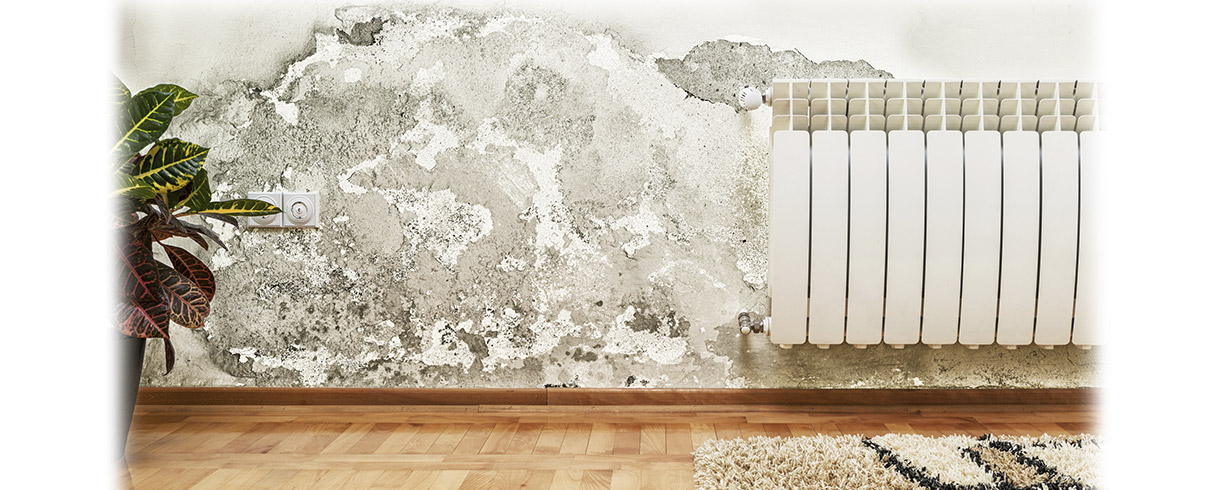
Mould can be harmful to your health, but the good news is that it’s relatively easy to eliminate. Catch it at the first sign to ensure your home stays healthy and mould-free!
Mould can be harmful to your health, but the good news is that it’s relatively easy to eliminate. Catch it at the first sign to ensure your home stays healthy and mould-free!
What is mould and where does it grow?
Mould is a term used to describe different types of microscopic fungi that mainly grow in damp areas. Mould can develop and spread on various substances such as wood, cardboard, carpet, furniture and gypsum.
Areas likely to develop mould include:
- Basements
- Walls and ceilings in bathrooms, laundry rooms and kitchens
- Under the sink
- Window sills
- Cupboards, closets and anywhere air circulation is limited
- Sitting water in a dehumidifier or air conditioner
- Insulation
- Under stored items
Recognizing Mould
Discoloration or staining can be a sign of mould. While mould comes in many different colours, black mould is the kind to worry about.
You can also use your nose—mould has a characteristically musty or earthy smell. Look for signs of staining or warping since mould can develop behind your walls and ceiling.
Keep Your Eyes Open!
Check your home regularly for signs of humidity and dampness. Ideally, you should look for signs of mould when the seasons change, for example when carrying out your spring home inspection and when readying your property for winter.
How to Detect and Eliminate Mould
If the area affected is less than a metre square, you should be able to deal with the problem yourself and effectively eliminate the mould. However, if the mould has spread to a larger area, you should call in a specialist or cleaning company.
Be careful to avoid exposure to the mould spores. Wear a disposable dust mask (N95 respirator, able to filter out fine particles), protective goggles and rubber gloves. Individuals with a compromised immune system should leave the house during this process.
- Mix water and an all-purpose cleaner (preferably fragrance-free). Bleach is not recommended.
- Clean the surface by scrubbing with a cloth soaked in this solution.
- Dry the surface quickly and thoroughly using a clean cloth.
To ensure the mould does not return, stop up any leaks, repair any breaks and monitor humidity levels using a hygrometer. The humidity level of your home should be somewhere between 50% in summer and 30% in winter. Use a dehumidifier or fan as needed.
Mould and Your Health
A mould problem can compromise the air quality in your home and have a negative impact on your health. Even pets can be affected.
Symptoms include:
- Eye and lung irritation
- Cough, runny nose, congestion
- Asthma attacks (more frequent/severe)
- Chronic fatigue, headaches
Once the mould has been eliminated, the symptoms should disappear within a few days. However, know that these symptoms could also be the result of other types of contaminants in your home (cigarette smoke, dust mites, etc.).
Individuals more likely to be affected include:
- Babies, young children and the elderly
- Individuals suffering from allergies, asthma or lung disease
- Individuals with a compromised immune system
It’s relatively easy to keep you home mould-free: get rid of any dampness and ensure your home is clean and tidy. Some sources of humidity can be particularly hard to control. Don’t hesitate to investigate further and ask for help when needed.
If the humidity levels in your home remain high and mould keeps coming back, you should have the situation assessed by a professional.