


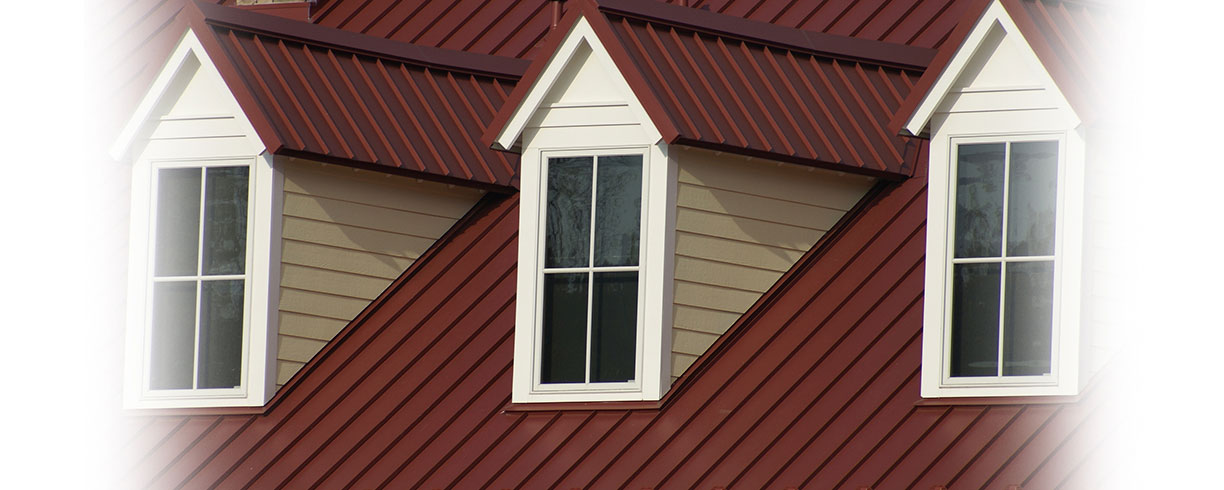
Periodic inspection of your home’s roof is essential. A close inspection can help reveal problems before they cause serious and costly damage.
Periodic inspection of your home’s roof is essential. A close inspection can help reveal problems before they cause serious and costly damage.
What to look for:
- Gutters and downspouts: Their function is to keep water away from your home. If the gutters collapse, there’s a risk of water seeping through the roof. Similarly, clogged downspouts can cause water to back up and lead to infiltrations.
- Trees: Branches from trees and other plants should never touch the roof, whether pushed by the wind or accumulated snow, as this will damage the roof. In addition, shade from surrounding trees can cause mould to form.
- Shingles: Are they damaged, raised or curled? Are any shingles missing? Deteriorating roofing materials increase the risk of water infiltration.
- Metal roofing: Is there any sign of corrosion? Can you see any areas damaged by rust?
- Flat roof: Puddles of water or build-up of snow or ice can cause significant damage to the roof structure.
- Sloped roof: A sinking or bending slope is a sure sign of a structural problem that will only get worse. Ice forming on the roof ledge is a common problem with low-sloped roofs.
Possible solutions:
- In spring and fall, remove all debris and thoroughly clean the gutters and downspouts. Make sure water flows easily. Strengthen all attachments.
- Cut the branches of trees and shrubs that come in contact with the roof. Remove mould using a cleaning product designed expressly for this type of problem.
- Immediately replace any shingles that appear defective.
- Apply an appropriate treatment and metal paint to eliminate corrosion.
For any structural issues, it’s imperative to seek the advice of a roofing contractor or building inspector. These professionals can determine whether the roof structure is strong enough and, if necessary, advise you on how to strengthen it.
When it comes to roof maintenance or inspection, be extra cautious. Don’t take any risks: climb on the roof only if you feel completely at ease. Wear shoes with gripping soles and use a safety rope attached securely to a point opposite to where you’re working. And above all, never attempt that kind of work on your own: always ask someone to stay on the ground while you’re on the roof.