


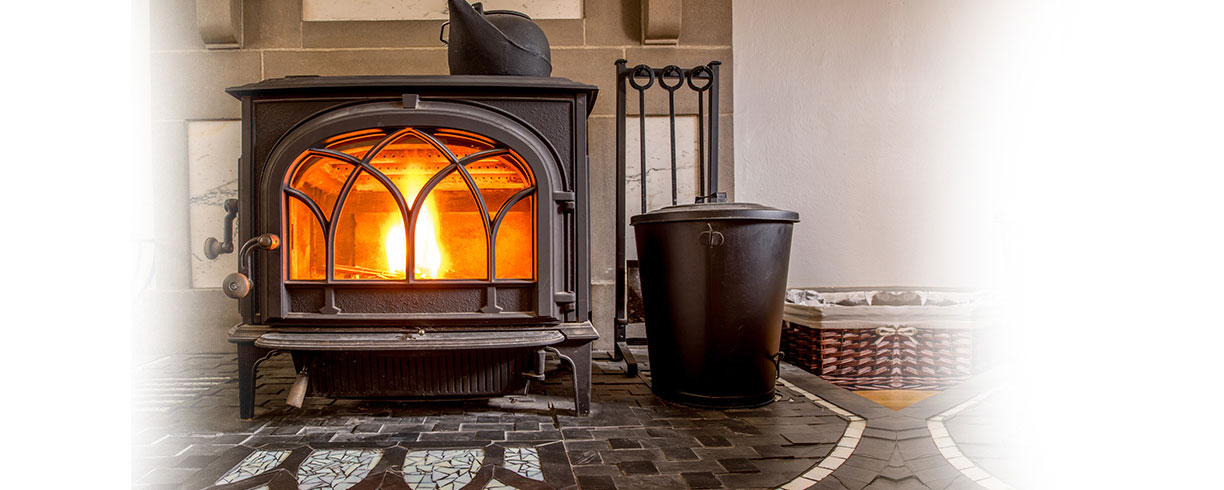
Wood heating is quite popular in Quebec. While many people use their wood-burning stoves or fireplaces in emergency situations, such as extended blackouts, others use wood as the primary source of energy for heating their homes.
Wood heating is quite popular in Quebec. While many people use their wood-burning stoves or fireplaces in emergency situations, such as extended blackouts, others use wood as the primary source of energy for heating their homes.
Major contaminants
When wood burns, the smoke that’s emitted pollutes indoor and outdoor air because it contains microparticles. It also contains dangerous chemical substances such as carbon monoxide.
These contaminants can lead to significant health problems, including respiratory problems and irritation. Also, some contaminants are considered to be cancer-causing, for example polyaromatic hydrocarbons.
In regions where many homes are heated by wood, air quality can be worse than in a city centre. In winter, if there’s no wind, and depending on weather conditions, you may feel like you’re not getting enough air.
Wood heating contributes significantly to this phenomenon of winter smog, which is harmful to both the environment and the health of the population in general, but especially children and the elderly.
Protect yourself
Although it’s impossible to completely eliminate the pollutants given off by a wood fire, take these steps to limit your exposure to contaminants:
- Avoid building fires when there’s smog
- Never burn treated or painted wood, or any plastic
- Try to use hardwood that’s been dried for at least 6 months
- Regularly maintain your wood-burning stove and chimney
Electricity, natural gas and oil are heating sources with far fewer air pollutants than wood. However, if you’re thinking of getting a wood-burning appliance, consider buying a stove or fireplace with a low heating capacity.
Finally, be sure to check out the many information resources available about installing and using wood heating systems.
Source: Quebec ministry of sustainable development, environment and the fight against climate change